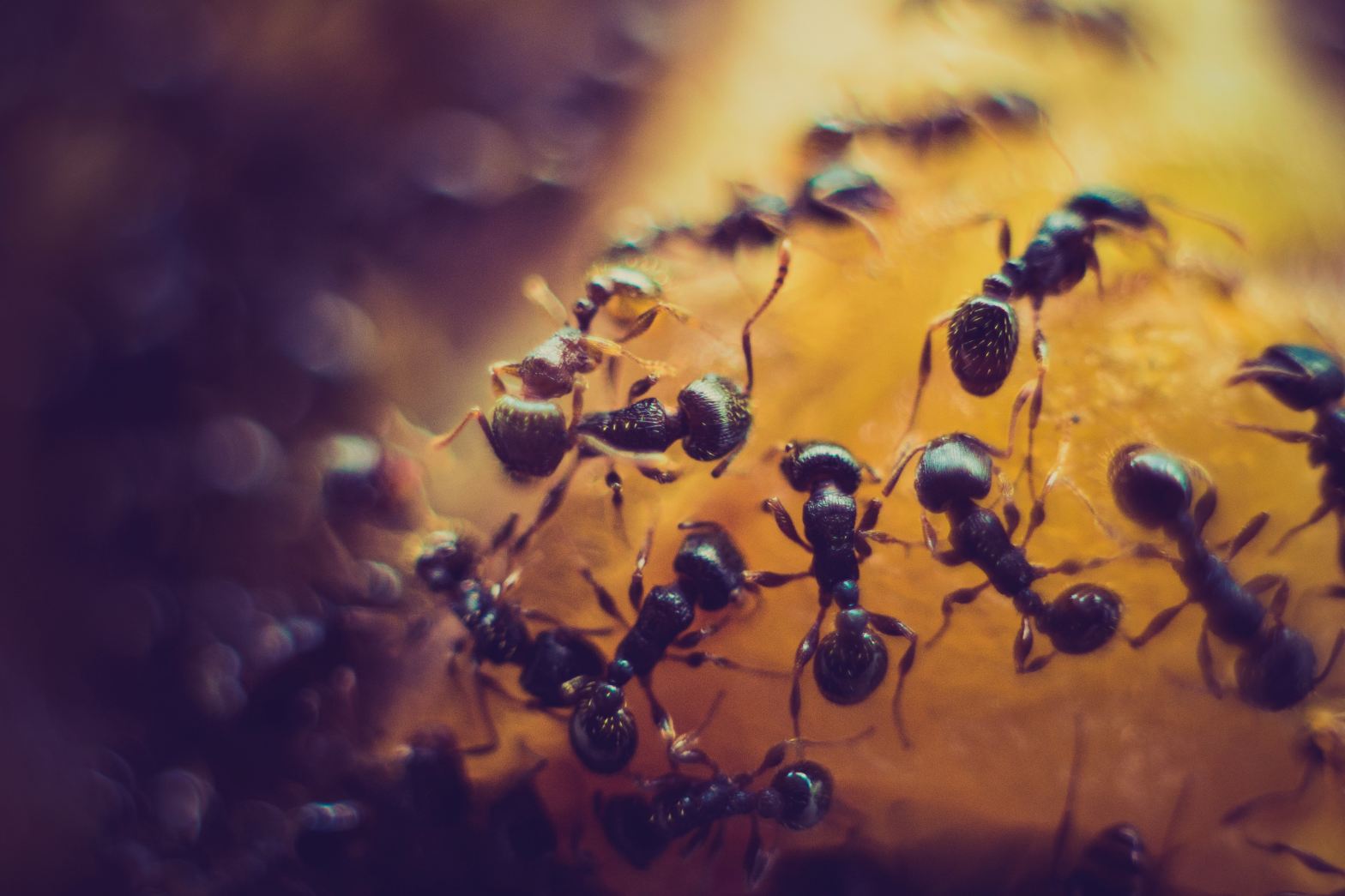
The presence of pests in food production and preparation areas has always been unacceptable.
Pest management is part of the Good Manufacturing Practices (GMP) for food business, which is a prerequisite for the HACCP, based procedures in place. As an integral part of GMPs, it should be carried out with due diligence and properly documented.
Before discuss about the pest management we have to answer the question “What is a pest?”
Pests are organisms that damage or interfere with desirable plants in our field and orchards, land scarpers, or wild lands, or damage homes or other structures. Pests also include organisms that impact human or animal health. Pests may transmit disease or may be just a nuisance. A pest can be a plant, vertebrate, invertebrate, nematode, pathogens that causes disease or other unwanted organisms that may harm water quality, animal life or other parts of the ecosystems.
The risks posed by pests include;
- The spread of disease – pathogens are transferred from the gut or external surface of the pest.
- Damage to property
- Contamination of work surface and food stuffs
- Adverse public opinion and loss of reputation
- Prosecution and closure
- Poor staff relations
There are also somewhat antagonistic trends such as less reliance on the use of residual pesticide treatments and the demand for perfect food products, free of pesticide residues, which is becoming one of the main challenges faced by the food industry in the field of pest management.
Most buildings provide three main attractions for pests;
- Shelter
- Food
- Warmth
Most pests actually require very small amounts of food an adult mouse, for example can survive on at little as 3 grams a day.
A few degrees increase in temperature may be sufficient to encourage infestation.
A master solution programs and the training of personnel to implement sanitation practices are essential.
Mainly we can identify the pest exclusion measures as below;
- Elimination of pest refuges and pest colony “nests”
- Influence of physical condition control
- Interior design of food plants and stores for pest proofing
- Organization of food product chain
Early detection of pest presence and monitoring insect pest density is vey important in pest controlling.
Visual Inspection of vulnerable situation for pest in food industry;
- Visual Inspection –
- In storerooms, stacking of goods should be far away from walls (30-50cm)
- Strike separation is required between raw materials, food processing areas, finished food products and the packaging zone to prevent cross-contamination
- Plant and other equipment must be free of infestation before being brought on site
- Rubbish storage areas must be kept tidy, using only close fitting containers regularly emptied.
- Management of waste –
- Waste areas should be situated more than 10m away from the main building
- All waste bins should have light fitting lids
- Garbage area should be enclosed within a mesh cage to prevent access by birds
IPM;
Integrated Pest Management, or IPM, is a process you can use to solve pest problems while minimizing risks to people and the environment. IPM can be used to manage all kinds of pests anywhere in urban, agricultural and wild land or natural areas.
IPM is an eco-system- based strategy that focuses on long term prevention of pests of their damage through a combinations of techniques such as biological control, habitat manipulation, and modification of cultural practices and use of resistant varieties.
Pesticides are used only after monitoring indicators they are used according to established guidelines, and treatments are made with the goal of removing only the target organism. Pest control materials are selected and applied in a manner that minimizes risks to human health, beneficial and non-target organisms, and the environment.
As per the recent researches in the case of implementation of IPM in stored-grain, many quality managers of food plants have not get adopted IPM practices for many reasons;
- Additional cost or personnel implication
- Minimum required knowledge
- Difficulty adopting a new technology
- Pressure of pesticide supplier or fumigation company
However while the aim of an IPM is to minimize pest risk through proofing, hygiene and environmental management, there will be occasions when pesticides will be employed to eradicate an infestation on site.
The use of pesticides can present a risk of product contamination, risks to the health of users and third parties and a risk to the environment.
Reporting and record keeping;
The organization of a reporting system and maintenance of records is essential if GMP status is to be achieved.
Records must be kept for the following reasons;
- To highlight any recommendations
- To demonstrate compliance with legislation
- To monitor pest management processes
- As evidence of compliance to third party auditor
The objective of the pest management programme should be to prevent, as far as practicable, the introduction of pests onto the site and to reduce the conditions that may encourage their presence.
FooDesk – “IT’S ALL ABOUT FOOD”
Follow us on,
http://www.youtube.com/c/FoodDeskudl
Instagram @food.desk Facebook https://www.facebook.com/fooddesk2019/
References –
Pest Control Procedures in the food industry – Charted Institute of Environmental Health
Food industry practices affecting pest management –Stewart Postharvest Review – March 2015
Photo by Bonnie Kittle on Unsplash
Photo by Salmen Bejaoui on Unsplash
 Food Desk