

What Exactly Is Kombucha?
Kombucha is a fizzy sweet-and-sour tea drink. Many people claim it relieves or prevents a wide range of health issues, from hair loss to cancer and AIDS.
There is little research on kombucha tea. According to preliminary research, kombucha tea may provide benefits similar to probiotic supplements. Some research suggests that kombucha tea may help maintain a healthy immune system and prevent constipation.
However, there are few reliable medical studies on the effects of kombucha tea on human health. There are also dangers to consider.
It was invented in China and quickly spread to Japan and Russia. It gained popularity in Europe in the early twentieth century. Because of its reputation as a health and energy drink, sales in the United States are increasing.
Kombucha Components
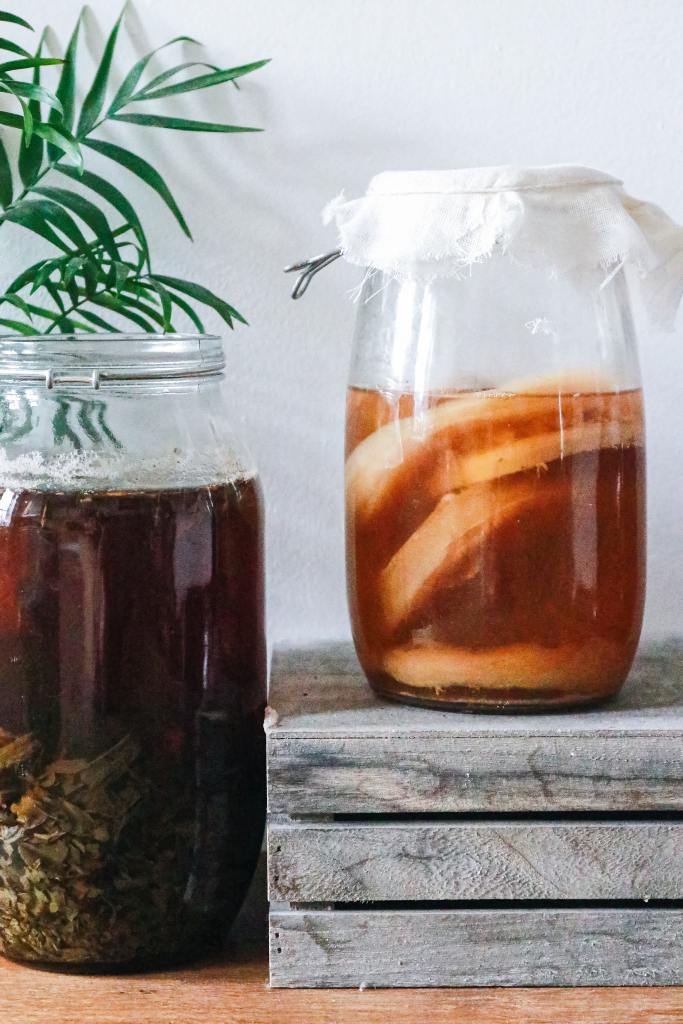
Kombucha’s basic ingredients are yeast, sugar, and black tea. The mixture is set aside for at least a week. During that time, bacteria and acids, as well as a trace of alcohol, form in the drink. Fermentation is the process by which cabbage is preserved as sauerkraut or kimchi, or milk is converted into yogurt.
These bacteria and acids combine to form a film on top of the liquid known as a SCOBY (symbiotic colony of bacteria and yeast). You can ferment more kombucha with a SCOBY.
Lactic-acid bacteria, which are found in kombucha, can act as a probiotic. Kombucha also contains a good amount of B vitamins.
Health Benefits of Kombucha
It is said to aid digestion, rid the body of toxins, and increase energy. It is also said to strengthen your immune system, aid in weight loss, protect against high blood pressure and heart disease, and prevent cancer. However, there isn’t much evidence to back up these claims.
Fermented foods are generally beneficial to the microbiome and gut health. Fermentation produces probiotics, which aid in the treatment of diarrhea and irritable bowel syndrome (IBS), and may even strengthen immune system.
Kombucha Risks
Some people have reported stomach upset, infections, and allergic reactions after drinking Kombucha tea. Kombucha tea is frequently made (brewed) in filthy homes. This increases the likelihood of bad bacteria growing.
Lead poisoning occurs when tea is prepared in ceramic pots that contain lead. Lead leaks from the ceramic glaze due to the acids in the tea.
However, the FDA states that kombucha is safe when properly prepared. Experts recommend using glass, stainless steel, or plastic containers when making it at home. Keep everything clean, including your hands and the equipment.
Kombucha tea should be avoided by pregnant or breastfeeding women, as well as those with compromised immune systems.
Others may consume the tea if they enjoy the flavor, but only if it comes from a reliable source.
Food Desk – “IT’S ALL ABOUT FOOD”http://www.youtube.com/c/FoodDeskudl
Instagram @food.deskFacebook https://www.facebook.com/fooddesk2019/
- Photo by Tyler Nix on Unsplash
- Photo by Geraud pfeiffer from Pexels http://Photo by Geraud pfeiffer from Pexels: https://www.pexels.com/photo/jars-with-kombucha-and-dark-herbal-beverage-6605199/els
 Food Desk