
Food safety organizational culture has historically been overlooked but is now gaining popularity. Noncompliance with quality and food safety management system regulations is a common and serious issue to all who are working in food industry.
Research suggests that food safety involves both microbiological and behavioral factors (Griffith and Redmond, 2009). According to Howes et al. (1996), 97% of outbreaks in non-manufacturing food enterprises were caused by food handler errors or malpractices. Research suggests that over 40% of food safety behaviors may be influenced by the organization’s culture.
With considering those factors, third-party standards like ISO 22000 and the BRC Global Food Safety Standard include cultural assessment elements, which are largely subjective.
Griffith et al. (2010) define organizational work culture as the interactions, values, and behaviors of groups inside a firm, rather than individuals. Hygienic food handling depends on the business’s leadership, facilities, management systems, and culture (Griffith, 2000).
Maintaining a favorable food safety culture is crucial for brand success. To foster a healthy food safety culture, top management must understand their role in culture development and provide their managers with the necessary skills (Griffith et al., 2010). This is especially important for middle management and unit levels.
Currently, there is no consensus on the key organizational characteristics that determine safety culture in practice.
To explore the impact of safety culture on food safety performance, six indicators from other highly regulated workplaces were identified.
(1) Management systems, style and processes
(2) Leadership
(3) Communication
(4) Commitment
(5) Environment
(6) Risk awareness, perception and risk taking behavior.
Leadership

Leadership is distinguished from management, with the former focusing on influencing people and aligning them with organizational goals and values, particularly in the context of food safety. Key elements of effective food safety leadership include having a clear vision, strong values, and the ability to inspire others towards collective goals.
Various leadership theories are discussed, ranging from traditional approaches that focus on leader traits to contemporary models such as transactional and transformational leadership. These theories emphasize the importance of leaders in promoting safety behaviors among employees and fostering a culture of food safety.
Leadership is seen as starting from the top of the organization and permeating down, with both top management and middle management playing crucial roles in shaping the food safety culture. Leaders at all levels are necessary, with different levels of management providing both macro and micro leadership, respectively.
Ultimately, effective food safety leadership involves setting clear standards, goals, and values, and effectively communicating these to employees to ensure compliance and promote a culture of safety throughout the organization.
Communication

Effective communication is essential for conveying information, ensuring clarity of roles and responsibilities, and aligning employees with the organization’s food safety goals and values.
Communication encompasses various channels and methods, including formal and informal approaches such as face-to-face discussions, emails, and workplace conversations. The quality of communication, as measured by leader-member exchange and approach intention, significantly influences safety behaviors and attitudes among employees.
However, challenges such as noise and the potential for miscommunication can impede the effectiveness of communication efforts. It’s crucial for organizations to have a well-defined communication strategy that prioritizes safety messages, encourages open dialogue, and provides feedback mechanisms for continuous improvement.
Positive safety cultures are characterized by employees feeling free to discuss safety issues with supervisors, and effective safety communication is linked to attributions of errors and the priority given to safety-related issues across various industries.
In summary, effective communication is vital for promoting a strong food safety culture within organizations, facilitating the transfer of knowledge, and ensuring alignment with safety goals and values.
Commitment

Organizational commitment is classified into continuance commitment, normative commitment, and affective commitment, each describing different motivations for remaining with an organization. While individual commitment can be assessed during the hiring process, maintaining a positive commitment to food safety among the entire workforce, especially during challenging economic times, is more challenging.
Various organizational commitment models have been developed to understand its impact on employee behavior. Indicators of commitment include rewards and incentives, job satisfaction, and personal responsibility, all of which have been linked to safety culture. Additionally, the concept of rewards for hygienic behavior is tied to motivation and job satisfaction.
Different motivation theories, such as Herzberg’s Motivation-Hygiene theory, Maslow’s hierarchy of needs, and goal-setting theory, shed light on the complex nature of motivation. Effective managers and supervisors play a crucial role in motivating staff to behave hygienically by providing praise, recognition, and setting clear goals.
In summary, commitment to food safety is essential at both organizational and individual levels, and understanding and fostering this commitment is crucial for promoting a strong food safety culture within organizations.
Environment

The multifaceted nature of the food safety environment within businesses, encompassing both tangible factors like the availability of hygiene equipment and intangible factors like perceived organizational support (POS).
Having sufficient facilities and resources positively reinforces the importance of food safety practices, while their absence may convey a lack of importance. POS measures the level of support employees perceive from the organization regarding resources and safety measures.
Studies in the manufacturing industry suggest that higher POS is associated with increased engagement in safety-related behaviors. This support is communicated through sustained quality standards and approaches used to measure food safety excellence.
In summary, the food safety environment is influenced by a variety of psychological and situational factors, and organizations can positively impact it by providing adequate resources and fostering a culture of support for food safety practices.
Risk perception, awareness and risk taking behavior

Risk perception involves individuals’ judgments and decision-making processes regarding the likelihood and severity of adverse events. In the context of food safety, effective risk communication is crucial, involving the identification, projection, and mitigation of risks within an organization. Food handlers may exhibit optimistic bias or an illusion of control, believing their practices are safe despite evidence to the contrary. Personal, qualitative approaches to risk communication, such as using real-life examples, can be more effective than quantitative approaches in conveying the seriousness of food safety risks.
Factors like the hygiene hypothesis and attitudinal ambivalence can influence risk perception and behavior, potentially leading to risk-taking behaviors. Risk awareness and behavior are significant components of safety culture, with various factors influencing individuals’ responses to risk information, including trust in the information source. Active employee involvement in risk-related processes is associated with more effective crisis prevention and management, highlighting the importance of a comprehensive risk communication strategy for fostering a strong food safety culture.
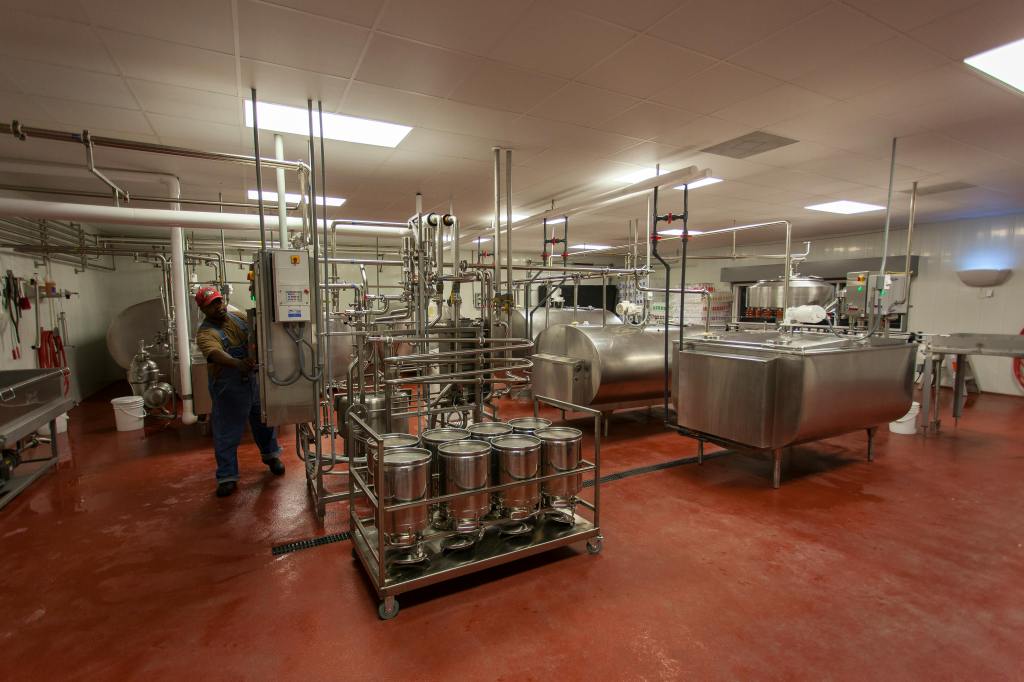
Assessing food safety culture involves several key steps, starting with identifying the components to be assessed and selecting appropriate assessment methods. Qualitative methods like group interviews and focus groups offer depth, while quantitative methods such as questionnaires provide ease of administration. It’s crucial to involve various levels within the organization, especially in larger organizations, and consider how data will be analyzed and communicated.
Cooper’s tri-component model, based on Bandura’s model of reciprocal determinism, offers a theoretical framework for assessing food safety culture. It includes subjective psychological factors assessed by food safety climate questionnaires, safety-related behaviors observed through various methods, and situational/environmental aspects measured by audits. This approach allows for a comprehensive understanding and benchmarking of food safety culture within and between businesses.
Reasons to measure food safety culture include assessing compliance with safety management systems, raising awareness of food safety, benchmarking sites, informing training and remedial actions, promoting commitment, and identifying weaknesses and evaluating risks. While climate questionnaires have limitations, they remain valuable tools when used alongside other assessment methods. Overall, research in various industries has generated diverse approaches to measuring organizational culture, with a focus on industry-specific factors for practical application.
Adopting a behavioral/food safety culture-based approach to food safety management may lower the prevalence of food-borne diseases.
FoodDesk – “IT’S ALL ABOUT FOOD”
Follow us on,
http://www.youtube.com/c/FoodDeskudl
Facebook https://www.facebook.com/fooddesk2019/
References
Griffith, C.J. and Redmond, E. (2009), “Good practice for food handlers and consumers”, in Blackburn, C. de W. and McClure, P.J. (Eds), Foodborne Pathogens. Hazards, Risk Analysis and Control, Woodhead Publishing, Cambridge, pp. 518-46
Howes, M., McEwen, S., Griffiths, M. and Harris, L. (1996), “Food handler certification by home study: measuring changes in knowledge and behaviour”, Dairy Food Sanitation, Vol. 16, pp. 737-44.
Griffith, C.J. (2000), “Food safety in catering establishments”, in Faber, J.M. and Todd, E.C.D. (Eds), Safe Handling of Foods, Marcel Dekker, Toronto, pp. 235-56
Griffith, C.J., Livesey, K.M. and Clayton, D. (2010), “Food safety culture: the evolution of an emerging risk factor?”, British Food Journal, Vol. 112 No. 4, pp. 426-38.
 Food Desk