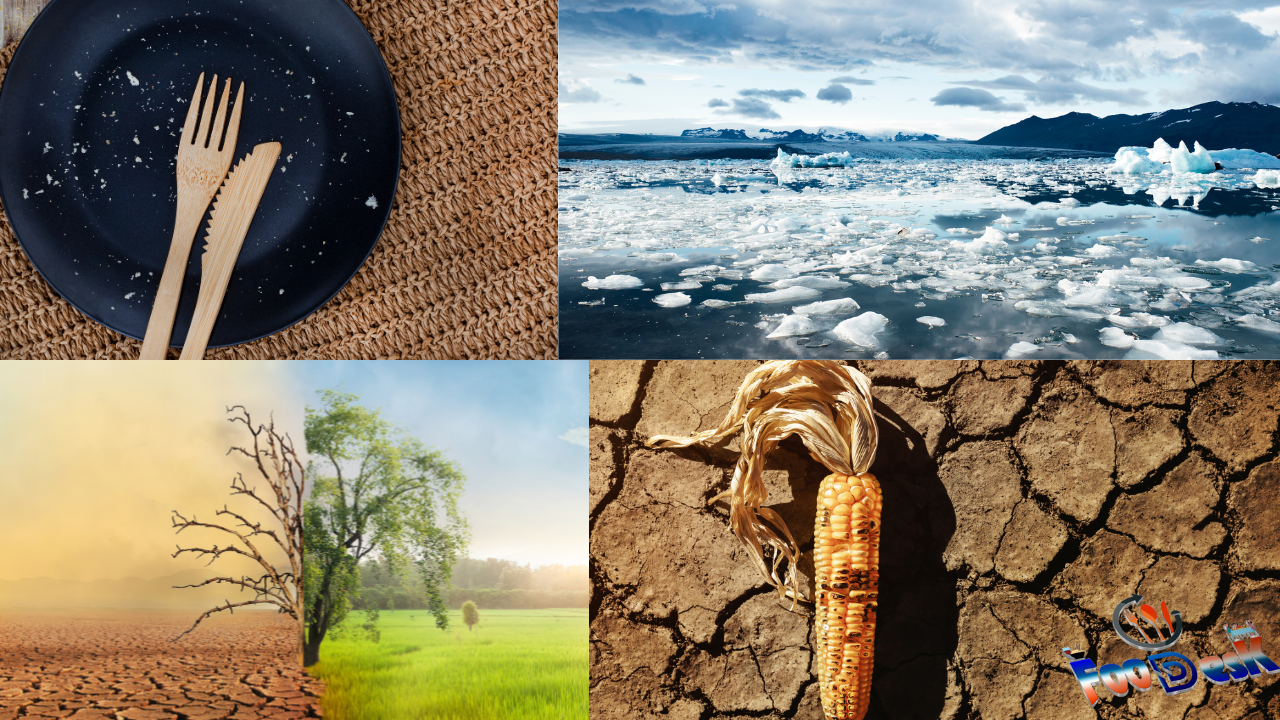
We all need food to survive, but did you know that climate change is making it harder for people to get enough of it? Food security means having reliable access to enough nutritious food, but rising temperatures, weird weather, and natural disasters are messing up food production all around the world. In this post, we’ll take a closer look at how climate change is affecting our food systems and what we can do about it.
How Climate Change Affects Food Production
Crops and Yields
The weather is getting weirder. Some places are getting too hot, while others are getting too much rain or not enough. This makes it harder for farmers to grow crops like wheat, rice, and corn. When crops don’t grow well, there’s less food available for everyone.
For example, in 2010, a massive heatwave in Russia wiped out a huge portion of their wheat crop, causing a global shortage and driving up food prices. And places like East Africa are dealing with regular droughts, which means people don’t have enough water to grow their food.
Staple Crops at Risk
The crops we depend on most—like rice, wheat, and maize—are also at risk. If it gets too hot or dry, these crops just don’t grow properly, which affects food availability everywhere. And it’s not just crops; coffee and cocoa, which are important for both local economies and global trade, are also being affected by changing climates.
The Economic Impact of Climate Change on Food Security
Rising Food Prices
As climate change messes with crop production, food prices go up. This is a big deal for people who already struggle to buy food. Imagine going to the store and finding out that your regular grocery items are way more expensive because crops have been destroyed by extreme weather. This happens every time there’s a weather disaster.
For example, the 2010 heatwave in Russia made wheat more expensive worldwide, and the effects spread to other food prices. It’s not just a problem in one country—it’s a global issue.
Food Trade Is Impacted
We live in a world where food is traded globally. But when extreme weather hits, it can slow down or even stop food from being shipped where it’s needed. Countries that depend on food imports could find themselves in trouble if supply chains are disrupted.
Vulnerable Countries
Some countries, especially in Africa and parts of Asia, depend heavily on agriculture for their economy. When their crops fail, it’s not just a food problem—it becomes an economic crisis. These countries are especially vulnerable because they often don’t have the resources to bounce back quickly.
How Climate Change Affects Food Access and Distribution
Disrupted Food Supply
Imagine a hurricane wipes out roads, ports, and storage facilities, making it hard for food to get to people. That’s happening more and more. Natural disasters like floods, wildfires, and storms are destroying the infrastructure that helps get food to stores and homes.
Who’s Most Affected?
People who are already disadvantaged—like low-income families, rural communities, or indigenous groups—are hit hardest by these changes. When food becomes scarce or expensive, these groups struggle the most to get by.
Small Island Nations
Small island nations are facing rising sea levels, which are eating up valuable land for agriculture. And in Africa, areas that used to be fertile are turning into deserts, leaving people with less land to grow food. These areas need immediate support to build climate resilience.
The Unexpected: Snow in Saudi Arabia
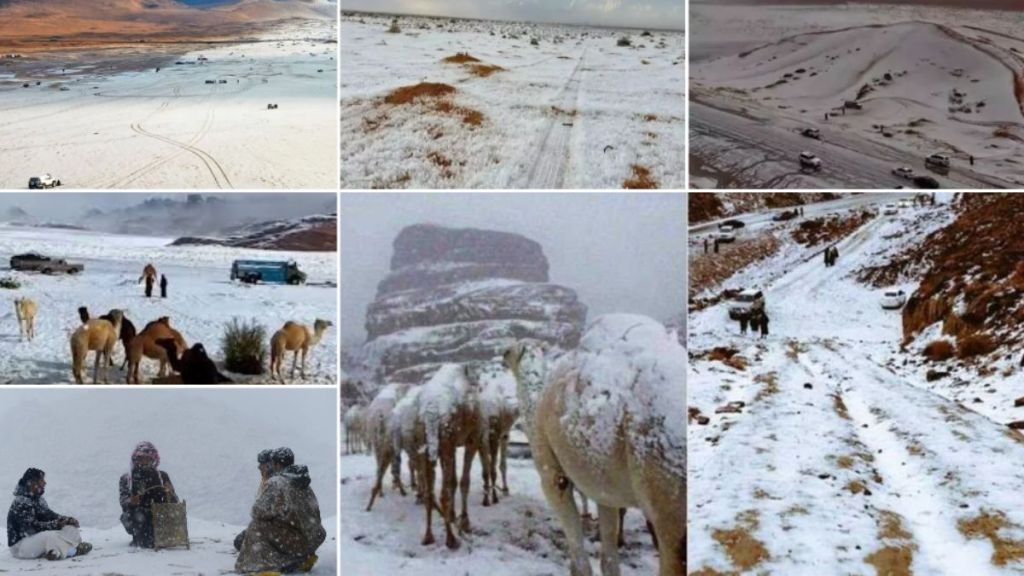
Here’s a wild example of how climate change can lead to extreme and unexpected weather: recently, Saudi Arabia saw snowfall in parts of the country, which is not something you’d expect in a desert region. While it’s not the first time it’s happened, this rare snowfall is becoming more frequent, showing how even traditionally hot regions are experiencing strange and unpredictable weather.
This kind of unusual weather could have serious effects on agriculture in areas like Saudi Arabia, where water is already scarce, and farming is difficult. When temperatures fluctuate so drastically, it makes it even harder for farmers to predict growing seasons, leading to poor harvests. This could worsen food security for the region, especially since it relies heavily on food imports.
What Can We Do to Make Food Security Stronger?
Climate-Resilient Crops
Scientists are working on crops that can handle the extremes of climate change, like drought-resistant wheat and flood-resistant rice. These crops are being designed to survive in harsher conditions, so even when the weather isn’t ideal, farmers can still grow food.
Sustainable Farming Practices
Another way to cope is through sustainable farming. Things like precision farming (using technology to make farming more efficient), crop rotation, and water-saving techniques help farmers grow more food using fewer resources. These practices also help the environment and make farming more resilient to climate change.
Global Cooperation
We can’t solve this alone. Countries around the world are working together through agreements like the Paris Agreement to fight climate change and ensure that food security is part of the conversation. By sharing knowledge, resources, and support, we can help vulnerable areas adapt to the changing climate.
Climate change is already having a huge impact on food security, and it’s only going to get worse if we don’t take action. But there’s hope. With the right policies, smarter farming techniques, and global cooperation, we can build a more resilient food system that can withstand the challenges of a changing climate. It’s going to take a lot of work, but if we act now, we can help ensure that everyone has access to enough healthy food in the future.
FoodDesk – “IT’S ALL ABOUT FOOD”
Follow us on,
http://www.youtube.com/c/FoodDeskudl
Facebook https://www.facebook.com/fooddesk2019/
References
IPCC (2022). Climate Change 2022: Impacts, Adaptation, and Vulnerability.
World Bank (2020). Climate Change and Agriculture: The Impact on Global Food Security.
FAO (2021). The State of Food Security and Nutrition in the World 2021.
Global Commission on Adaptation (2019). Adapt Now: A Global Call for Leadership on Climate Resilience.
UN (2019). Climate Change and the Food System.
UNICEF (2021). Children’s Rights and Climate Change: A Snapshot of Current Understanding.
UNFCCC (2020). The Paris Agreement: Key to Climate Resilience.
CGIAR (2021). Climate-Smart Agriculture: A Tool for Sustainable and Resilient Food Systems.






 Food Desk